Temp-Mail.GG
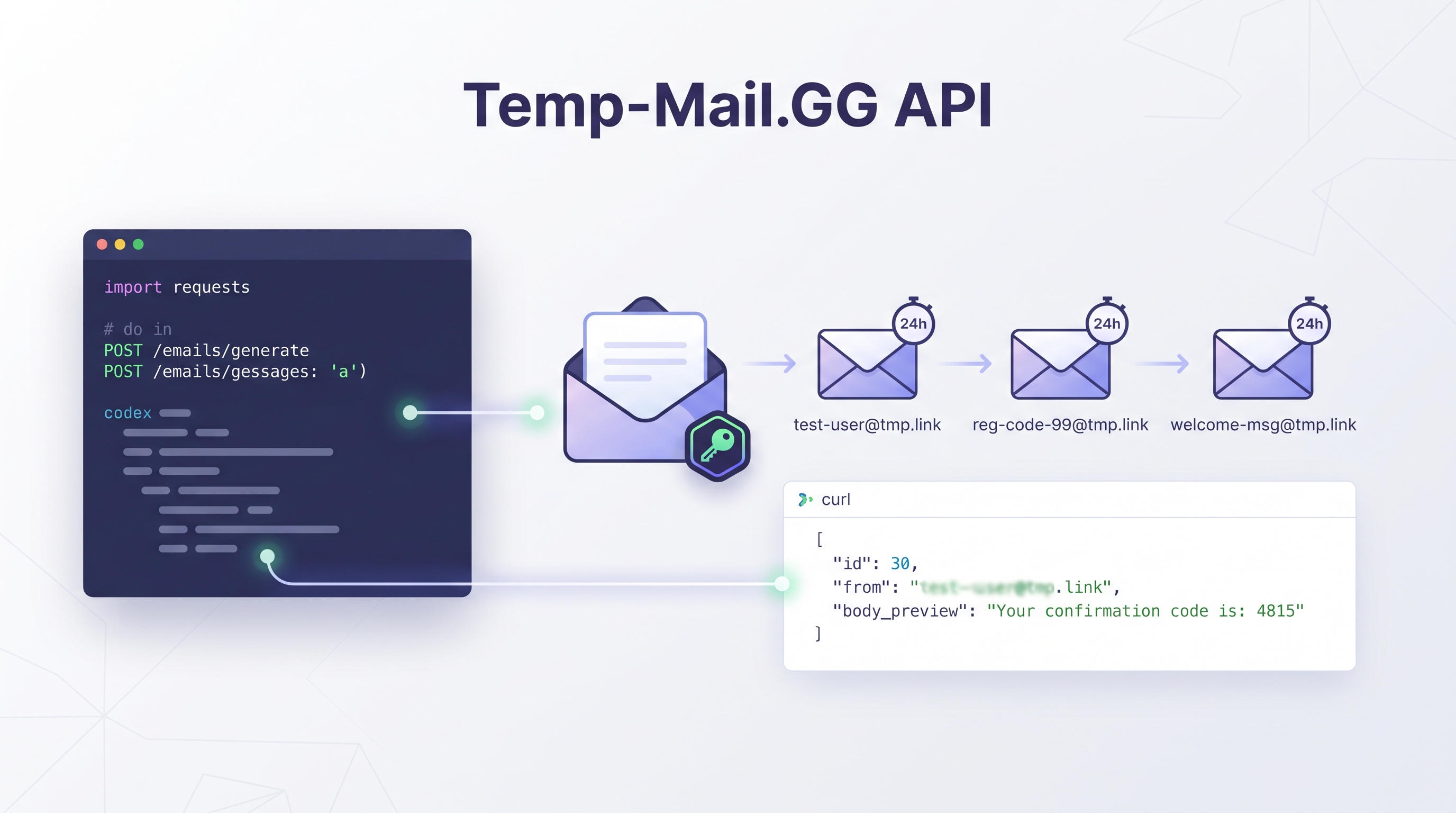
Temp Mail API: Create Addresses and Read Emails From Code
A short walkthrough of the Temp-Mail.GG API: get a key, create a temporary address, wait for a message and read it, with examples in curl and Python.
A short walkthrough of the Temp-Mail.GG API: get a key, create a temporary address, wait for a message and read it, with examples in curl and Python.
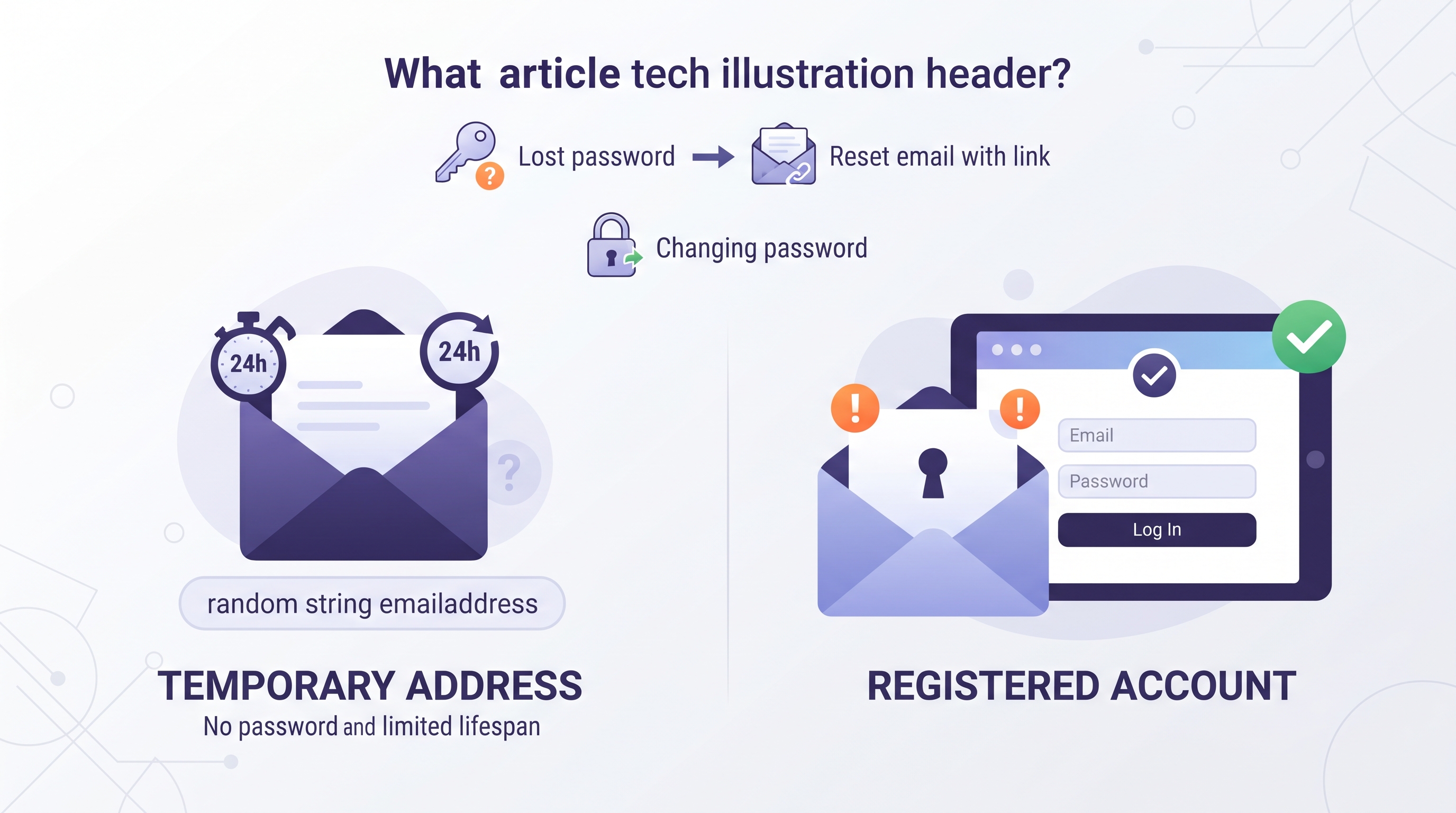
Temporary addresses have no password, but Temp-Mail.GG accounts do. Here is how to log in, reset a forgotten password and change it, and what to do if you can't.
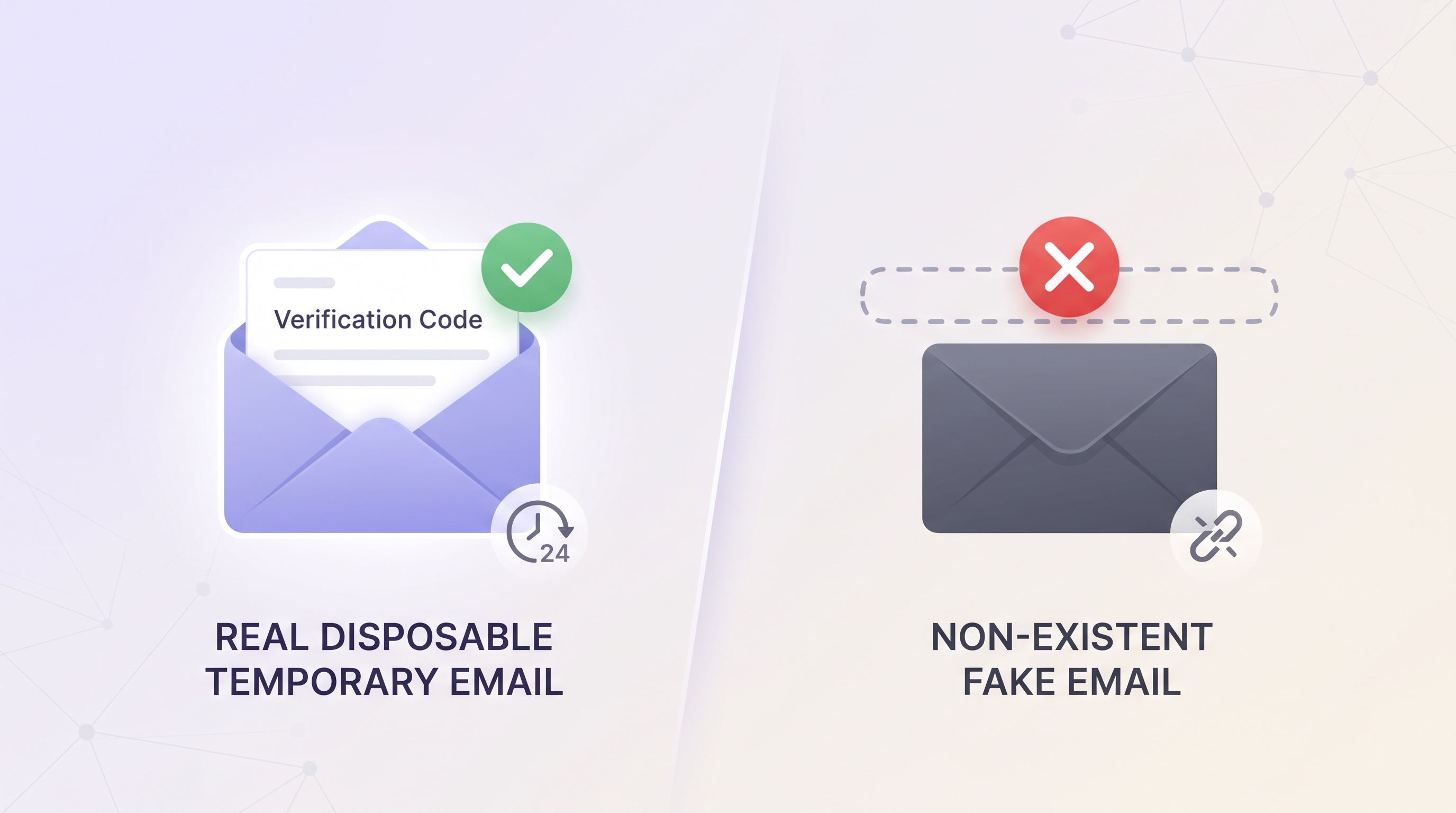
Disposable, burner, throwaway, temporary and fake email are used as if they mean the same thing. Mostly they do, with one important exception.
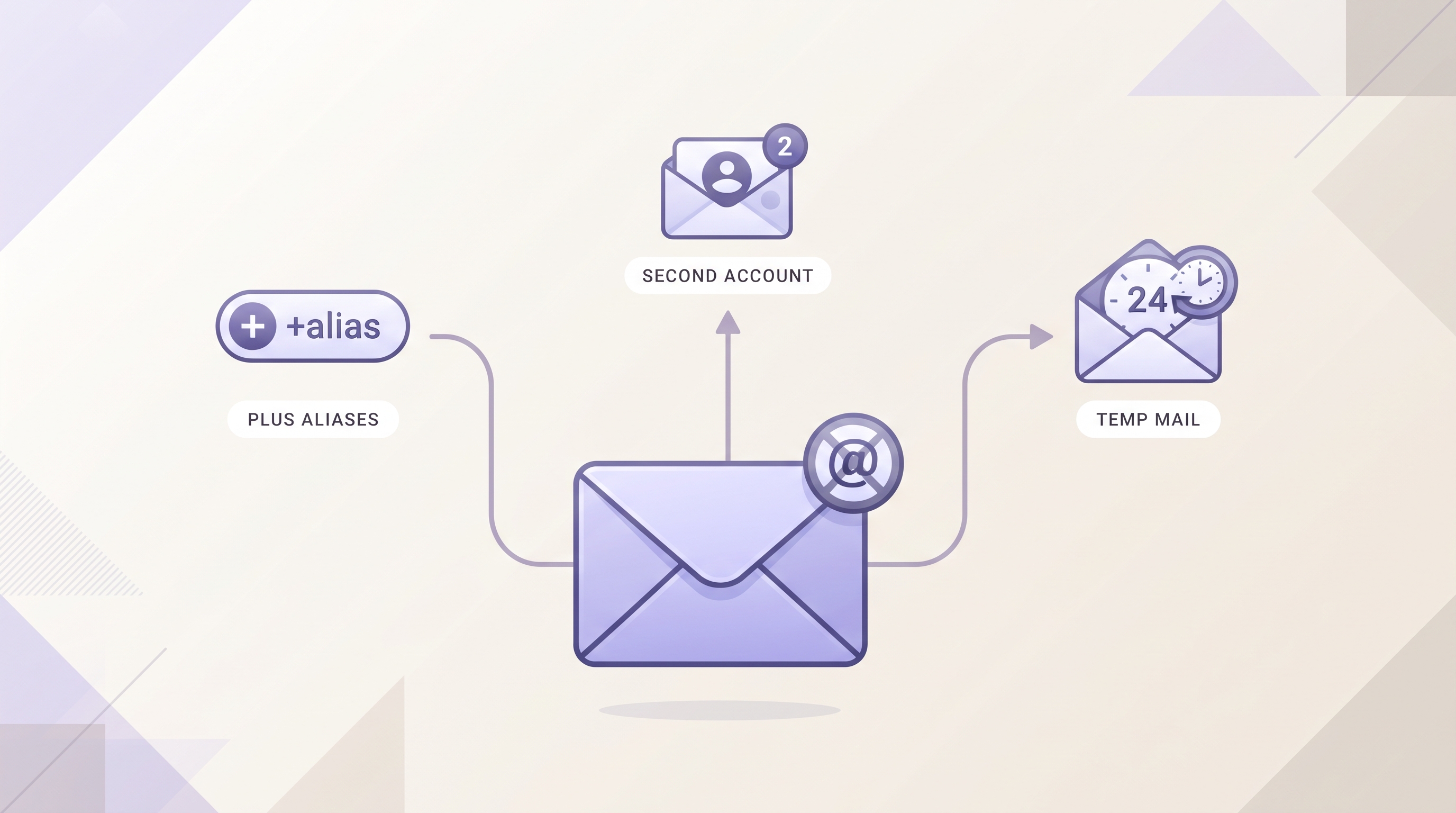
You can't create a real disposable @gmail.com address, but there are three honest ways to get the same result. Here is what works and when to use each.

Every time you go online, you leave behind traces of your activity - this collection of data is known as your digital footprint. From social media posts and browsing history to online purchases and account registrations, your digital footprint grows with every click. Understanding and actively managing this footprint is crucial for protecting your privacy, security, and online reputation.

Temporary email services like Temp-Mail.gg offer a convenient way to protect your privacy online. But how do they actually work? What happens behind the scenes when you generate a disposable address and receive emails? This article dives into the technology and infrastructure that power these valuable privacy tools.
Online shopping offers incredible convenience, but it often comes at the cost of your privacy. Retailers frequently require an email address for purchases, loyalty programs, and newsletters, leading to an inbox flooded with marketing messages and exposing your primary email to potential data breaches. Using temporary or disposable email addresses for online shopping is a smart strategy to protect your privacy and keep your main inbox clean.

Email remains one of our most used digital communication tools, but it's also one of the most vulnerable to security threats. From phishing attacks to data breaches, the risks associated with email are numerous and evolving. This guide covers essential email security practices that everyone should follow to protect their personal information and digital identity.
Data breaches have become an unfortunate reality of the digital age. Millions of records are compromised each year, and email addresses are often a prime target. When your email address is exposed in a data breach, it opens the door to a variety of security risks. This article explores how data breaches compromise your email and provides practical steps you can take to protect yourself.
In today's digital landscape, your email address has become more than just a communication tool—it's a key that unlocks your digital identity. Every time you sign up for a new service, subscribe to a newsletter, or create an account, you're asked to provide your email address. But have you considered the risks associated with sharing your primary email address indiscriminately across the web?